Views: 0 Author: Site Editor Publish Time: 2025-09-14 Origin: Site


Have you ever wondered why your irrigation system isn't performing at its best, or why your HVAC system is acting up despite regular maintenance? The answer might lie in one small yet crucial component: the solenoid valve. This tiny device controls fluid flow, and when it malfunctions, it can bring your entire system to a halt.
In this article, we'll guide you through how to check a solenoid valve, highlighting the key signs of failure and the best troubleshooting steps to take. You’ll learn how to inspect and test your valve for potential issues before they escalate into costly repairs or system downtime.
By the end of this guide, you’ll be equipped with the knowledge to diagnose solenoid valve problems with confidence and take effective action to ensure your system is running smoothly.
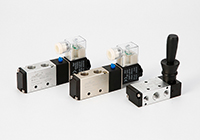
A solenoid valve is an electromechanically operated valve that regulates the flow of fluids within a system. It consists of several key parts, including the solenoid coil, the plunger, the valve body, and the spring. When an electric current passes through the coil, it generates a magnetic field that moves the plunger. This movement opens or closes the valve, controlling fluid flow. Solenoid valves are essential in many applications, such as regulating water flow in irrigation systems, controlling air or gas flow in HVAC units, and facilitating the automation of processes in manufacturing plants.
· Solenoid Coil: The coil generates the magnetic field that controls the valve’s operation.
· Plunger: A movable metal component that responds to the magnetic field to either open or close the valve.
· Valve Body: The housing that contains the solenoid and plunger, ensuring proper fluid passage.
· Spring: This component returns the plunger to its resting position when the solenoid is not energized.
The basic working principle of a solenoid valve revolves around the electric current running through the solenoid coil, generating a magnetic field. This magnetic field causes the plunger to move, which either opens or closes the valve. When the valve is open, fluid can pass through; when the valve is closed, the flow is stopped. This precise control is essential for various applications that require on/off control of fluid or gas flow. The valve is typically used in applications where precise and reliable control of fluid flow is essential, including water systems, air conditioning, and gas control in industrial machines. The solenoid valve can regulate small amounts of fluid with high precision, making it highly useful for sensitive applications where consistency is key.
To avoid serious issues with your system, it's important to recognize the signs of a malfunctioning solenoid valve early. The sooner you can identify the problem, the sooner it can be resolved. Here are some common symptoms of a faulty solenoid valve:
If the solenoid valve fails to open or close properly, it can result in inconsistent or no fluid flow at all. This is one of the first and most common signs of a malfunctioning valve. When the solenoid coil is faulty or the plunger is stuck, the valve won’t function as it should. If you notice that fluid isn't reaching its designated location, or the flow is erratic, the solenoid valve might be the problem. A simple cleaning or a replacement of the faulty part may be enough to restore proper function. Ensuring the valve operates smoothly can prevent disruption in essential processes like irrigation or water flow regulation.
Another sign of a malfunctioning solenoid valve is leaking fluid around the valve. When the valve fails to close completely, fluid will leak out of the system. This may happen when the plunger doesn't close the valve properly, or when the seals on the valve body are damaged or worn out.
Fluid leakage can lead to operational inefficiencies and cause damage to other parts of the system, as well as lead to increased operational costs due to wasted fluid. If you notice wet spots around the valve or observe consistent dripping, this is a clear indication that the solenoid valve needs immediate attention. Addressing leaks as soon as possible can help prevent more serious damage from occurring, such as water damage to surrounding components or equipment.
Hissing, buzzing, or rattling sounds are other indicators that your solenoid valve is malfunctioning. These noises usually occur when the plunger is stuck or the valve is not sealing properly. If debris or corrosion is preventing the valve from closing completely, it can result in strange sounds. In some cases, the noise may also be caused by an electrical issue or low voltage supply to the solenoid. Identifying the source of these noises early on can prevent system downtime and costly repairs. An unusual noise often indicates an underlying issue, so don't ignore it—addressing it promptly can save you time and money in the long run.
Solenoid valves rely on an electrical signal to operate, so any issue with the electrical system can result in a malfunction. Electrical problems can arise from faulty wiring, issues with the control system, or power surges that affect the solenoid coil’s functionality.
If the solenoid valve is not receiving the correct electrical signal, it may fail to open or close as expected. This can disrupt fluid flow and cause the system to operate inefficiently. Troubleshooting the electrical system and checking for faulty wiring or incorrect voltage can help resolve these issues. Electrical problems should be addressed carefully as incorrect handling can lead to further damage to the system or even create a safety hazard. If you aren’t comfortable handling electrical issues, it’s advisable to consult a professional.
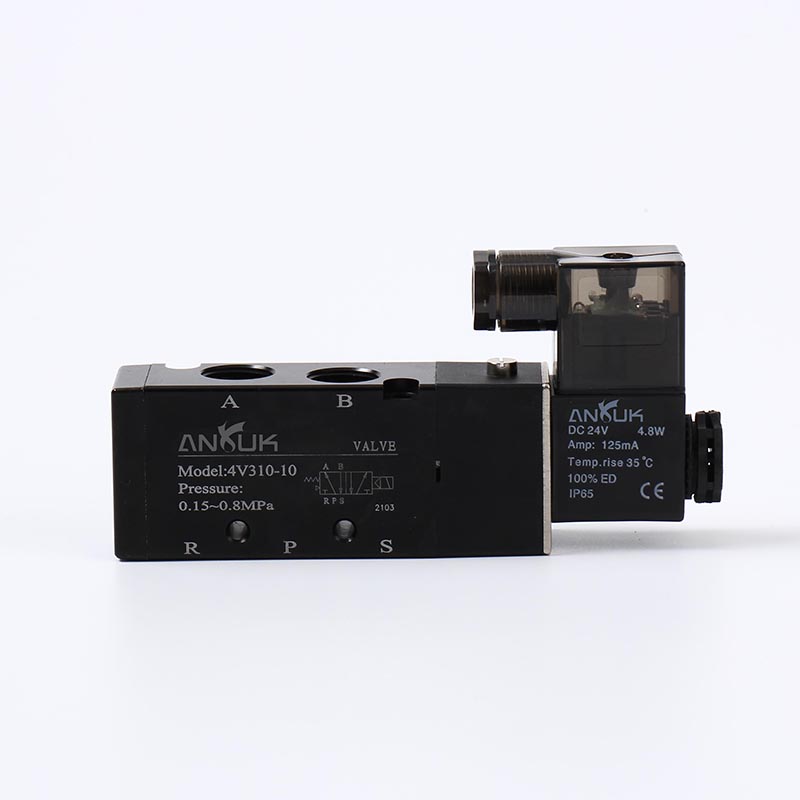
Checking a solenoid valve involves a detailed inspection of both the physical components and the electrical system. By performing the following steps, you can diagnose and troubleshoot most solenoid valve problems:
Always begin by turning off the power supply to the solenoid valve. Disconnect the valve from the system to prevent any risk of electrical shock or accidental fluid flow during inspection. Safety should be your top priority when working with electrical and pressurized systems.
Look for visible damage such as cracks, corrosion, or signs of wear on the valve body. If the valve is leaking, inspect the seals for signs of damage. Also, check the valve connections and the surrounding system for any fluid leakage. If you find damage to any part of the valve, it may need to be replaced. Even minor damage can lead to serious issues if not addressed promptly.
Use a multimeter to measure the resistance of the solenoid coil. The resistance should fall within the manufacturer’s specified range. If the multimeter shows zero resistance (indicating a short circuit) or infinite resistance (indicating an open circuit), the solenoid coil is defective and needs to be replaced.
Once the solenoid coil has been tested, restore power to the system and listen for the characteristic “click” sound when the valve operates. If you don’t hear the sound, it could mean the plunger is stuck, or the coil isn't receiving power. This is an indication that further investigation is needed.
Carefully disassemble the valve to check the plunger and spring. The plunger should move freely without obstruction, and the spring should be intact and properly positioned. If debris has built up around the plunger, it can prevent smooth movement. Clean the valve components and replace any worn or damaged parts.
Check all electrical connections to ensure they are secure and free of corrosion. Loose or corroded wires can cause the valve to malfunction by preventing the solenoid from receiving the correct signal. Use a multimeter to verify that the solenoid valve is receiving the correct voltage as per the manufacturer’s specifications.
After completing the inspection and repairs, carefully reassemble the solenoid valve. Turn the power supply back on and test the valve to ensure it operates correctly. The valve should now open and close smoothly in response to the electrical signal, without any leaks or unusual noises.
Problem: A damaged solenoid coil can prevent the valve from opening or closing.
Solution: Replace the solenoid coil with a compatible part. Ensure the new coil matches the specifications of the original to ensure proper operation.
Problem: The plunger may become stuck due to corrosion or debris.
Solution: Clean the plunger and valve body thoroughly. If the plunger is worn out, it may need to be replaced.
Problem: Worn seals can cause fluid leakage around the valve.
Solution: Replace any worn-out seals. Ensure that new seals are installed correctly to avoid future leakage.
Problem: Faulty wiring or issues with the control system can prevent the solenoid from receiving the correct electrical signal.
Solution: Inspect the wiring and control system for damage. If necessary, replace the damaged components.
When deciding whether to repair or replace a solenoid valve, consider the following:
· Age of the Valve: Older valves may have components that are difficult to replace.
· Cost of Repair: Evaluate whether the repair costs are worth it, or if replacing the valve would be more cost-effective.
· System Requirements: Ensure any replacement valve meets the necessary specifications for your system.
To prolong the life of your solenoid valve and avoid frequent repairs, consider these maintenance tips:
· Regular Inspections: Perform regular checks to identify potential problems before they worsen.
· Cleaning: Keep the valve and surrounding areas clean to prevent the buildup of dirt and debris.
· Electrical Monitoring: Ensure the solenoid valve receives the correct voltage.
· Seal Replacement: Regularly inspect seals and replace them when they show signs of wear or leakage.
A malfunctioning solenoid valve can lead to a variety of issues, such as inconsistent fluid flow or even total system failure. By following the steps outlined in this guide, you can effectively diagnose and fix solenoid valve problems, ensuring optimal system performance. Regular maintenance is key to avoiding costly repairs and extending the valve’s lifespan. If you're unsure about performing checks or repairs, it’s best to consult a professional to prevent further damage.
For reliable solenoid valves and top-quality solutions, Wenzhou Ang Rui Machinery Co., Ltd. offers products designed for durability and efficiency, ensuring seamless operation across various systems. Their solenoid valves provide excellent value and are built to meet the highest industry standards.
A: It’s recommended to inspect your solenoid valve at least once a year, or more frequently if it’s part of a critical system.
A: If you have the necessary tools and knowledge, you can perform basic repairs. For complex issues, consult a professional.
A: Turn off the power and fluid supply, inspect the valve for damaged seals or components, and replace any faulty parts.
A: Regular maintenance, including cleaning and inspecting components, can help prevent issues. Ensure the valve operates within specified parameters.
A: Replacement solenoid valves can be purchased from specialized suppliers or manufacturers. Ensure compatibility with your system before purchasing.

 English