Views: 0 Author: Site Editor Publish Time: 2025-09-15 Origin: Site


Are you tired of dealing with uneven watering or system failures in your irrigation setup? One of the most common culprits could be your Irrigation Solenoid Valve. These valves are essential for controlling water flow in your system. When they malfunction, it can lead to frustrating issues like leaks, overheating, and poor performance.
In this guide, we will walk you through how to troubleshoot common problems with your solenoid valve. You’ll learn how to diagnose the issue, fix it, and ensure your irrigation system operates smoothly. Whether you're new to irrigation or a seasoned professional, this guide will help you keep your system in top shape.
An irrigation solenoid valve is an electrically operated valve that controls water flow in irrigation systems. It opens or closes in response to electrical signals sent from the irrigation controller, allowing water to flow or stopping it as needed. The valve's primary function is to regulate how much water flows to different zones within your irrigation system.
The solenoid valve consists of several key components:
· Electromagnetic Coil: When the coil receives electrical current, it creates a magnetic field.
· Plunger: The magnetic field moves the plunger, opening or closing the valve.
· Spring: The spring helps the plunger return to its original position, either allowing water to flow or stopping it.
There are different types of solenoid valves used in irrigation systems:
· Normally Closed (NC): The valve remains closed until it is activated by the electrical current.
· Normally Open (NO): The valve remains open and only closes when powered.
· Bi-stable: This valve has no defined “off” state and can toggle between open and closed positions based on the electrical pulse.
Solenoid valves are durable, but like any mechanical or electrical part, they can fail over time due to various factors. Identifying the cause of the failure is the first step to resolving the issue and preventing further damage.
An incorrect voltage supply is one of the most common reasons for solenoid valve failure. If the voltage is too high, it can burn out the valve, while too low voltage can prevent the valve from functioning altogether. Always ensure that the solenoid valve's voltage specifications match your irrigation system's power output.
Since solenoid valves have electrical components, exposure to water can cause short circuits. It's crucial to ensure that all electrical connections are protected from water. Using water-resistant connectors or placing the solenoid valve in a protected box can prevent moisture-related damage.
Over time, sediment, dirt, and debris can accumulate inside the solenoid valve, preventing the internal components from functioning smoothly. This often leads to clogging, overheating, or incomplete valve operation. Sediment buildup is a significant issue in areas with hard water or frequent dust and debris in the air. It's important to periodically check and clean the valve to ensure proper functionality.
Water pressure that exceeds the solenoid valve's tolerance can cause significant damage. High pressure can rupture the valve, leading to leaks or complete failure. It’s essential to install a pressure regulator to ensure the system operates within safe limits. Some valves have a pressure rating, and exceeding that can lead to long-term issues.
Extremely high or low temperatures can impact solenoid valve performance. In cold conditions, valves may freeze, causing them to crack or leak. In hot weather, valves may overheat, damaging internal components or seals. Extreme temperature fluctuations can cause components to expand or contract, leading to wear and tear. It’s advisable to protect your system from freezing temperatures or excessive heat by using appropriate insulation or placing the system in a sheltered location.
When your solenoid valve malfunctions, the first step is to identify the issue. Here’s how you can troubleshoot the most common symptoms.
· Low Water Pressure: If certain areas of your lawn or garden are not receiving enough water, it may be a sign that the solenoid valve isn’t opening fully. Low water pressure is a clear indicator that the valve is not functioning properly.
· Leaks: Leaks around the valve may indicate a worn-out seal or internal damage. Leaks are usually caused by broken o-rings, seals, or a cracked valve body. These need to be replaced to prevent further damage.
· Continuous Water Flow: If the valve fails to close completely, water may continue flowing even when it’s supposed to be off. This can lead to overwatering, increased water costs, and wasted resources.
Begin by testing the electrical signal to the solenoid. Use a multimeter to check for proper voltage. If the voltage is incorrect, check the wiring and controller to ensure they are functioning properly. Incorrect voltage may cause the solenoid coil to burn out or fail to operate. If the wiring is damaged or disconnected, it can result in incomplete or no operation of the solenoid valve.
After verifying the electrical signal, inspect the valve for physical issues such as debris or damaged components. Blockages inside the valve can prevent it from opening or closing fully. Dirt, sand, or rust can accumulate in the valve body, leading to improper operation. If the valve components are damaged, you may need to replace them.
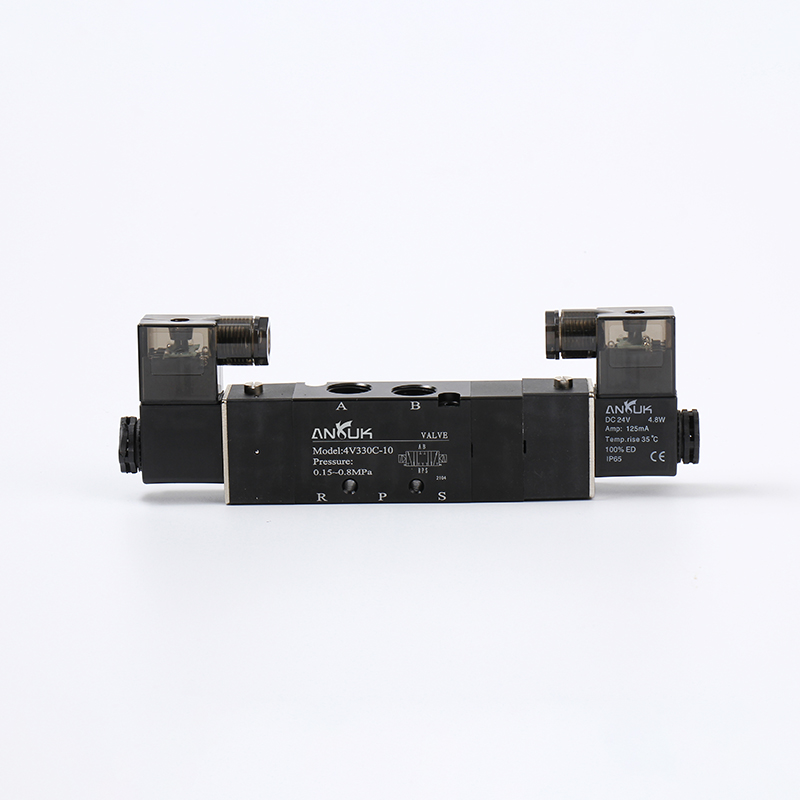
When the valve refuses to close, it is usually caused by an electrical issue or a malfunctioning plunger. A valve that stays open will lead to water waste.
· Check the Voltage: Test the solenoid’s voltage with a multimeter. Ensure that the voltage matches the specifications. If the voltage is too high or too low, it may prevent the valve from closing properly.
· Inspect for Short Circuits: A surge in voltage could have caused the solenoid to burn out. If necessary, install a surge protector to prevent future issues.
· Examine the Plunger: A damaged or stuck plunger can prevent the valve from closing. Clean or replace the plunger if it is stuck due to debris or wear. Ensure the plunger moves freely inside the valve body.
If the valve isn’t opening, it is often due to debris inside the valve or a mechanical failure.
· Disassemble and Clean: Remove any dirt, sand, or debris that may be clogging the valve. Cleaning the valve regularly can prevent this issue from occurring.
· Check the Diaphragm: The diaphragm can become brittle over time, preventing the valve from opening. Replace it if necessary. A cracked or damaged diaphragm will cause the valve to malfunction, and it is often a primary reason for failure to open.
Leaks are often caused by damaged seals, o-rings, or excessive water pressure. A leaking valve wastes water and can damage other parts of the system.
· Replace Damaged Seals: Inspect the valve for any worn or cracked seals, and replace them as necessary. Seals play an essential role in preventing leaks by creating a tight seal around the valve components.
· Install a Pressure Regulator: Ensure that the system's pressure is within safe limits for the valve. High water pressure can stress the seals and valves, leading to leaks. Install a pressure regulator to prevent damage.
An overheating solenoid valve is typically caused by electrical issues or debris inside the valve.
· Check for Blockages: Remove any debris preventing the valve from functioning correctly. Blockages can cause excessive heat build-up as the valve works harder than it should to move the internal components.
· Inspect the Electrical Components: If the solenoid coil is overheating, it may need to be replaced. Check the wiring and connections for issues such as corrosion or loose connections, which can cause electrical malfunctions.
Routine cleaning and maintenance can significantly extend the life of your solenoid valve and prevent common issues. Here are the steps to keep your valve in optimal condition.
· Disassemble the Valve: Carefully remove the solenoid and diaphragm to clean the internal components. Use a soft brush to remove dirt and sediment. Keeping the valve clean prevents debris buildup, which can hinder proper functioning.
· Inspect for Wear: Check for signs of damage or wear in the diaphragm, seals, and other parts. Replace any worn components to ensure continued valve operation.
· Install a Filter: Prevent sediment buildup by installing a filter before the valve. This helps keep debris out of the system and ensures smooth valve operation.
· Test the Electrical System: Periodically check the voltage and wiring to ensure the electrical components are working correctly. Electrical failures are common, and a proactive check will help prevent unexpected issues.
· Check for Leaks: Regularly inspect the valve and surrounding components for leaks. This will help you spot small issues before they become significant problems.
· Winterize Your System: In colder climates, winterize the irrigation system to prevent freezing. This can protect the valve from damage during the off-season. Take precautions like draining the system or using freeze protection.
· Inspect Before Start-Up: Before the irrigation season begins, perform a full inspection of the system, including the solenoid valve, to ensure everything is in working order. Check for leaks, debris, and electrical faults.
If your solenoid valve isn’t functioning properly, follow these steps to troubleshoot and resolve the issue.
· Manual Operation: Try manually opening and closing the valve to see if it works without electrical power. If the valve operates manually, the problem may be electrical.
· Look for Blockages: Inspect the valve for any dirt, debris, or sediment that may be preventing it from operating. Clogged valves can cause reduced flow and prevent the valve from functioning correctly.
If the valve is severely damaged or the solenoid coil is burnt out, replacing the entire valve may be more cost-effective than attempting repairs. Look for obvious signs of damage such as cracks in the valve body or burnt electrical components.
If you're unable to resolve the issue on your own, consult an irrigation professional. They can help diagnose and repair the problem, ensuring your system functions correctly.
Solenoid valves are a key part of any irrigation system, controlling the flow of water to different areas. When these valves fail, it can lead to inefficiency, water waste, and potential system damage. By following the troubleshooting steps in this guide, you can identify and fix common problems with your irrigation solenoid valves, ensuring that your system runs smoothly.
Preventative maintenance is essential to keeping your solenoid valve functioning properly. Regular cleaning, inspections, and repairs can help you avoid costly repairs and ensure efficient operation year-round. For high-quality solenoid valves, Wenzhou Ang Rui Machinery Co., Ltd. offers reliable products that provide exceptional performance and durability. Their solenoid valves are designed to improve efficiency and reduce water waste, delivering lasting value to your irrigation system.
Tip: Regularly inspect and clean the various components of your irrigation system, especially the valves, to ensure efficient system operation and reduce malfunctions.
A: An Irrigation Solenoid Valve is an electrically operated valve that controls the flow of water in irrigation systems. It opens or closes based on electrical signals from the irrigation controller, ensuring proper water distribution to different zones.
A: If your Irrigation Solenoid Valve isn't opening, it may be due to debris blocking the valve. Disassemble the valve and clean it. Check for any damage or faulty components that may prevent the valve from functioning.
A: Leaks in an Irrigation Solenoid Valve are often caused by damaged seals or o-rings. Inspect the valve for any cracked or worn seals and replace them. Excessive water pressure can also cause leaks, so consider installing a pressure regulator.
A: Overheating in an Irrigation Solenoid Valve can be caused by debris or electrical issues. Clean the valve to remove blockages and inspect the wiring for faults. Ensure the electrical components are working correctly to avoid overheating.
A: Regular maintenance of your Irrigation Solenoid Valve includes cleaning it, checking for leaks, and ensuring proper voltage and wiring. Install a filter before the valve to prevent sediment buildup, and inspect it for wear or damage.
A: A solenoid valve not closing could be due to electrical issues, a malfunctioning plunger, or incorrect voltage. Check the voltage, inspect for blockages, and ensure the plunger is functioning properly to resolve the issue.
A: Signs of a faulty Irrigation Solenoid Valve include low water pressure, leaks, or continuous water flow when it should be off. Use a multimeter to check the voltage and inspect the valve for any blockages or damaged components.

 English