Views: 0 Author: Site Editor Publish Time: 2025-08-13 Origin: Site


Pneumatic systems are an integral part of many industries today, powering everything from manufacturing machinery to automotive tools, and even medical devices. These systems use compressed air to perform a variety of tasks efficiently and reliably. While much attention is often given to the major components like compressors, valves, and actuators, one element that plays a critical but sometimes overlooked role is the pneumatic fitting.
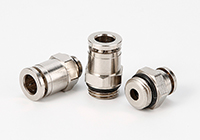
Pneumatic fittings are small mechanical components that connect various sections of pipes, tubes, or hoses within a compressed air system. Their job may seem simple, but their impact on the performance, safety, and reliability of pneumatic systems is immense. A good understanding of pneumatic fittings—what they are, how they work, and how to choose the right ones—can make a significant difference in system design and maintenance.
This comprehensive guide will explore all these aspects in detail, helping beginners and experienced professionals alike grasp why pneumatic fittings are essential and how to use them effectively.
Pneumatic fittings are connectors designed to join different segments of tubing or hose in pneumatic systems. They create secure, leak-free joints that allow compressed air to flow smoothly between various parts of the system. Without proper fittings, air leaks can occur, reducing pressure, lowering efficiency, and sometimes leading to system failure.
These fittings come in numerous types and sizes, each designed for a specific purpose, such as changing the direction of airflow, splitting one air line into multiple branches, or connecting tubes of different diameters. They must be airtight and durable enough to withstand high pressures and harsh operating conditions.
Even though they are small and often hidden within the system, pneumatic fittings serve crucial functions:
Ensuring Air-Tight Connections: Leaks waste energy and reduce the power of pneumatic tools or machines.
Maintaining System Pressure: Proper fittings help maintain consistent pressure levels, essential for precise machine operation.
Allowing System Flexibility: With various shapes and connection types, fittings help route air lines around obstacles and fit into complex layouts.
Simplifying Maintenance: Quick-connect fittings enable faster repairs and easier replacement of components.
Improving Safety: Secure fittings reduce the risk of sudden air bursts or component detachment that can cause accidents.
In short, pneumatic fittings are the backbone of efficient and safe air systems.
Understanding the different types of pneumatic fittings can help you select the right ones for your needs.
These fittings connect two tubes or hoses in a straight line, effectively extending the length of an air line. They are among the most basic and commonly used fittings.
Elbow fittings change the direction of the air line, usually by 45 or 90 degrees. These are crucial when the layout requires sharp turns or when space is limited.
Tee fittings split or combine airflow. They have one inlet and two outlets (or vice versa), allowing a single air source to feed two devices.
Cross fittings have four connection points and are used when airflow needs to branch off in multiple directions.
These allow tubes or hoses of different sizes to connect, essential when components have different diameter requirements.
These fittings join two tubes end-to-end and often feature quick-disconnect mechanisms for easy assembly and disassembly.
Quick connect fittings are designed for rapid and tool-free connection or disconnection of air lines. They are especially popular in systems requiring frequent maintenance or tool changes.
Bulkhead fittings pass through panels or walls and provide secure connections on both sides. They are useful when pneumatic lines cross different compartments or enclosures.
Choosing the right material for pneumatic fittings depends on the application, environment, and operating conditions.
Brass fittings are widely used due to their durability, corrosion resistance, and good machinability. They perform well in most general-purpose pneumatic systems.
Stainless steel is excellent for harsh environments where moisture, chemicals, or extreme temperatures are present. They resist rust and have high tensile strength.
Plastic fittings are lightweight, corrosion-proof, and generally cheaper. They are suitable for low-pressure applications or where metal fittings might corrode.
Aluminum fittings are lightweight and offer good strength, commonly used in applications where weight is a concern.
The fitting must match the size and type of tubing or hose in your system. Incorrect sizing causes leaks and inefficient air flow.
Ensure the fitting can withstand the maximum operating pressure of your pneumatic system, including occasional pressure spikes.
Operating temperature affects material performance. Choose fittings rated for your system’s temperature extremes.
Fittings come with different connection types such as threaded, push-to-connect, or quick connect. Your choice depends on the ease of installation, frequency of disassembly, and system design.
Consider exposure to moisture, chemicals, or UV radiation. Select materials and coatings accordingly to extend fitting lifespan.
Correct installation and ongoing maintenance are vital to prevent leaks and prolong fitting life.
Clean all tubing ends before connection to remove dust and debris.
Use thread sealant or Teflon tape on threaded fittings to ensure airtight seals.
Avoid over-tightening threads to prevent damage.
Fully insert tubing into push-to-connect fittings until they lock.
Inspect quick connect fittings for worn seals or damaged locking mechanisms.
Regularly check fittings for air leaks using soapy water or electronic leak detectors.
Replace damaged or corroded fittings promptly.
Keep fittings clean and free of debris.
Inspect O-rings and seals for wear and replace as needed.
Despite careful selection and installation, pneumatic fittings can face problems:
Leaks: Often caused by improper installation, damaged seals, or wear.
Pressure Loss: May result from undersized fittings or blockages.
Corrosion: Material degradation weakens connections.
Mechanical Failure: Over-tightening, vibration, or excessive pressure can crack fittings.
Troubleshooting involves identifying the source, checking for correct installation, and replacing faulty parts.
Pneumatic fittings are essential in many sectors:
Manufacturing: Powering automated tools and robots.
Automotive: Operating brakes, suspension, and pneumatic tools.
Construction: Powering nail guns, jackhammers, and lifts.
Medical: Providing air supply for respiratory devices.
Food and Beverage: Controlling packaging machinery.
Their versatility and reliability make them indispensable in modern industry.
Recent developments in pneumatic fittings focus on:
Quick Connect Systems: Faster assembly with better sealing.
Lightweight Materials: Use of composites to reduce weight.
Improved Sealing Technologies: Longer-lasting O-rings and gasket materials.
Smart Fittings: Embedded sensors to monitor pressure and flow in real time.
These advances continue to improve system efficiency and ease of use.
Pneumatic fittings might seem like small, simple components, but their role in air systems is fundamental. Selecting the right fittings, made from appropriate materials and installed correctly, ensures your pneumatic system runs efficiently, safely, and reliably.
By understanding the types, functions, materials, and installation techniques of pneumatic fittings, you can optimize your system’s performance and reduce downtime. Whether you’re designing a new pneumatic setup or maintaining an existing one, paying close attention to fittings is a wise investment.
For those seeking quality pneumatic fittings, many specialized manufacturers offer a wide range of products tailored to various needs, guaranteeing you’ll find the perfect solution for your air system.

 English